Deep Sea Fishing vs. Bay Fishing: Which is Right for You?
Anglers enjoy a choice that most coastal towns in Newport, OR cannot offer. Walk off the dock and enjoy fishing the protected waters within Yaquina Bay. Or cross the bar and be in open Pacific waters in minutes. Either of these will give good fishing. The decision of which to choose depends on who you are in your group, what species you’re looking for, and how you want to spend your day on the water.
Two Fisheries, One Newport Harbor
Newport is located between Yaquina Bay and the Pacific Ocean, making it one of the most versatile fishing ports on the West Coast. It is a rich productive estuary system that has its own seasonal cycles. It also has a good complement of resident and migratory species. Beyond the Yaquina Bar the ocean is deep, with a steep drop-off and larger offshore species available. Newport charter captains fish both habitats on a frequent basis. It’s not a bad experience either. They are two trips for two purposes.
What You’ll Catch in Each Fishery
Yaquina Bay Species and Seasons
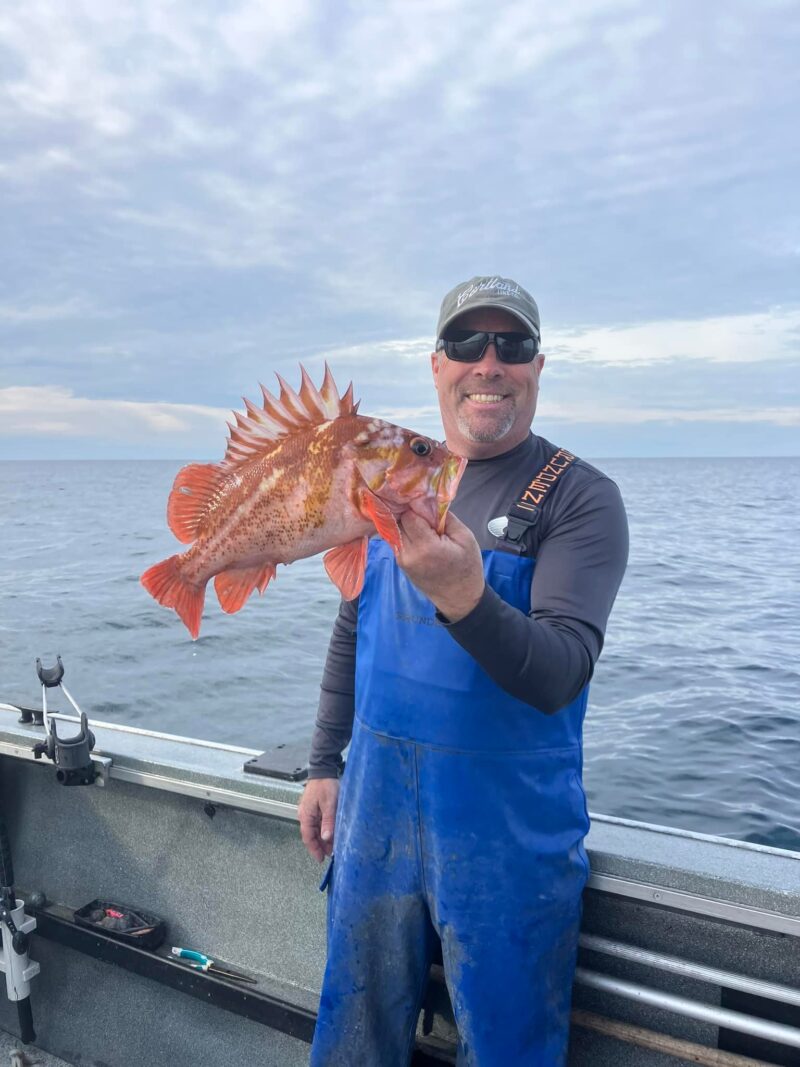
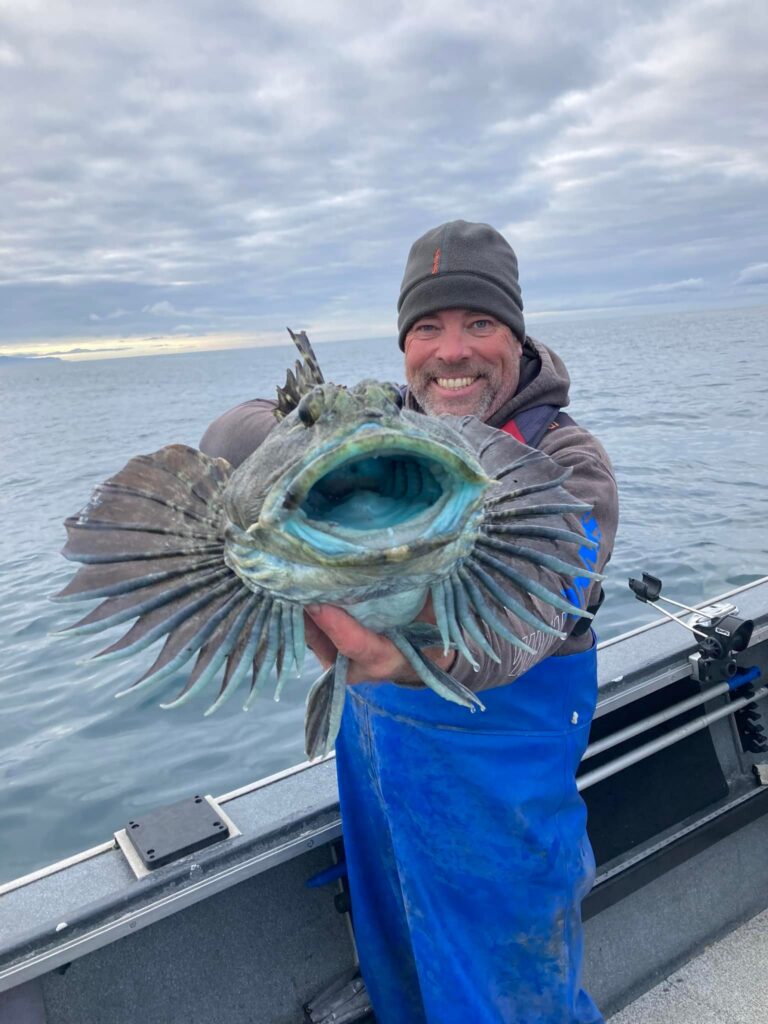
Chinook salmon are in the bay from April 1 to December 31. It is one of the longest inshore salmon runs along the Oregon coast. The return of coho to the Yaquina system has greatly improved in recent years. Oregon coastal rivers are averaging more than 217,000 coho per year over the past four years (as ODFW estimates). Dungeness crab are present in the bay almost year round, with a peak from June to November. The species list keeps the rods bent well outside the salmon season, with rockfish, lingcod, surfperch and flounder completing the list. The 30 lb Chinook caught off Yaquina Bay is a big fish and shouldn’t be apologized to by anglers in any other part of the coast.
Offshore Species and When to Target Them
At the Yaquina Bar, the targets are quite different. The marquee is the offshore species, Pacific halibut. It is a species that anglers can catch with a 2-fish daily bag limit in season in the Central Oregon Coast subarea. The season for halibut fishing usually begins in May and continues until October, but may close early if anglers reach the quotas. Offshore bottom fishing is a good choice in many seasons, as rockfish and lingcod can be found year-round in ocean waters. Albacore tuna come to Oregon waters from July through early October. They are sought by anglers for their high-energy catch. It’s worth checking the federal seasons for halibut and ocean salmon each spring. The Pacific Fishery Management Council determines them each year.
Who Each Trip Is Best Suited For
Bay Fishing for Families and First-Timers
If you have younger kids, first-time saltwater anglers or anyone who is prone to getting sea sick, then the Bay fishing option is the more appealing one. Calmer waters, shorter trips (often half-day), and more consistent action between bites, are the benefits of visiting Yaquina Bay. Families have more fishing time than travel time, which helps to keep younger anglers fishing. The price point, typically $100-$150 per person for a half day trip, also makes bay fishing more accessible for larger groups. For the seasoned angler seeking to catch Chinook salmon, the bay will be a good and challenging place to fish all season long.
Deep Sea Fishing for the Full Ocean Experience
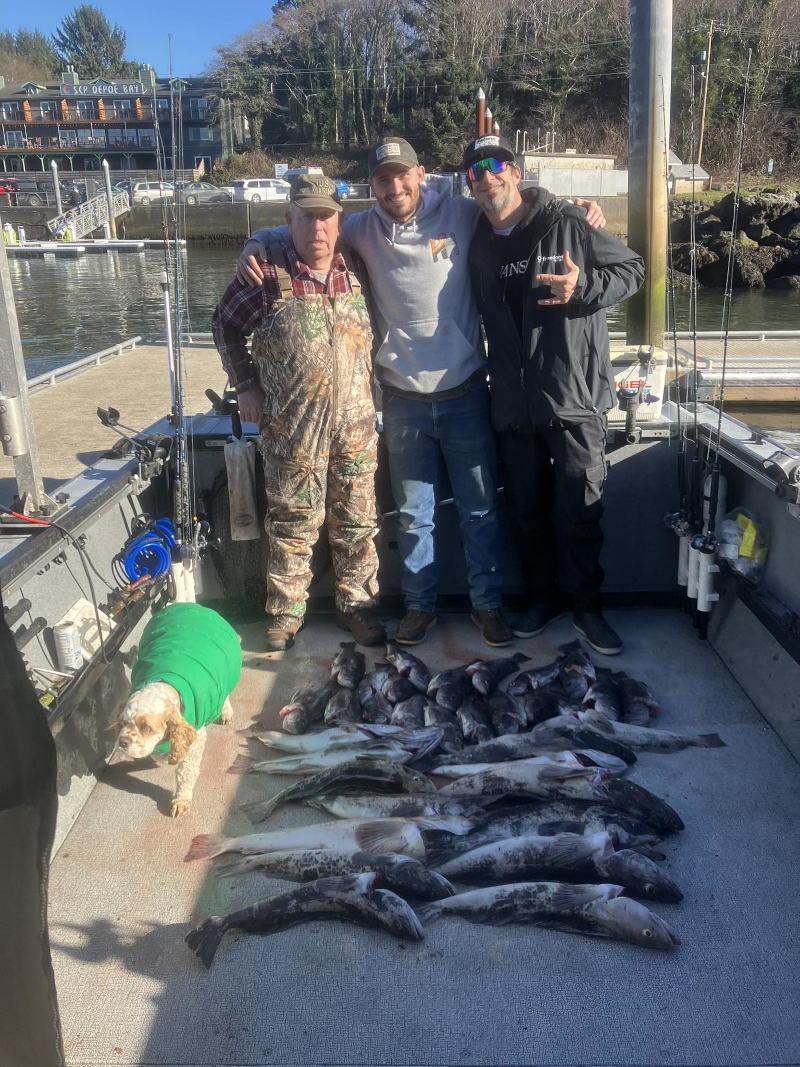
Deep sea fishing suits the angler who desires the whole Pacific experience, wants to catch halibut or albacore tuna, and can devote the entire day to fishing. Offshore trips are typically 8-12 hours and are more physically demanding than bay trips. The payback is bigger fish, open ocean views and the sort of heavy tackle that is the hallmark of West Coast ocean fishing. Generally older children and teens are able to manage the speed. Newport’s offshore fishery is excellent, especially for the fishing of the lingcod and halibut. Also for Anglers who have fished saltwater before and want to venture into larger water. Typical full-day offshore rates are $200 to $300 per person.
The One Factor Most Visitors Overlook
In Newport, the only practical difference between bay fishing and ocean fishing is the crossing at the Yaquina Bar. The river current flows into the ocean swells in the bar, which must be crossed from the protected bay to the Pacific Ocean. Mariners regard Newport’s bar as the most accessible on the Oregon coast, having deep outside water and a well-marked channel. Tide, swell, and wind direction still affect conditions. Rough chop can be a surprise to first time visitors, especially at ebb tide crossings. Licensed charter captains keep an eye on these conditions every day and make professional go/no-go calls. With an experienced charter, an experienced charter captain removes that judgment call from the angler’s plate. It’s a significant factor on the Oregon coast before they even arrive.
Cost, Time, and 2026 Regulations
There’s one change in the regulations for everyone who fishes the ocean waters of Newport this year. Beginning Jan. 1, ODFW will require most Oregon recreational anglers to have an Ocean Endorsement for fishing in Oregon ocean waters. A standard fishing license does not include this endorsement. Anglers can easily overlook it when organizing a fishing trip on their own. When booking a charter, typically they will take you through the licensing requirements. In 2025, rockfish bag limits also changed, from 4 fish per person from January to June, back to 5 fish per person for the rest of the year.
Ready for your next catch? Reserve your spot on a Newport Oregon fishing charter today and experience the Oregon coast with an expert guide.