
5 Fascinating Facts About Dungeness Crab Fishing in Newport, Oregon
Few coastal communities can rival the excitement and attractiveness of Yaquina Bay each winter when people go Dungeness crab fishing in Newport, Oregon. As boats leave through the jetties in the morning, the salty air combines with the fragrance of new bait and diesel engines.
Whether you’re on your first charter trip or have lived here your whole life, crabbing here isn’t just a hobby—it’s a proud part of Newport’s culture. Let’s look at five interesting facts that make this Oregon Coast tradition so unique.
1. Newport is the world’s Dungeness crab capital.
Newport isn’t just another fishing town; it’s the center of crabbing on the Oregon Coast. The Port of Newport is home to one of the biggest and busiest commercial fleets on the West Coast. Every December, hundreds of crab boats line the docks, stacking pots high and getting ready for the season to start. When the first pots come over the rail full of keepers, you’ll hear cheers echoing throughout the bay. Locals call it “crab Christmas.”
This little port is always one of the best in the country for seafood landings, and Dungeness crab makes up a big part of the catch’s worth. To highlight its fishing history, the city even trademarked the title “Dungeness Crab Capital of the World.” Newport’s restaurants, seafood markets, and charters all offer guests a taste of the same ocean-to-table tradition, frequently with crab that was caught that morning in the local waters.
2. The Dungeness Crab Season in Oregon Has a Rhythm
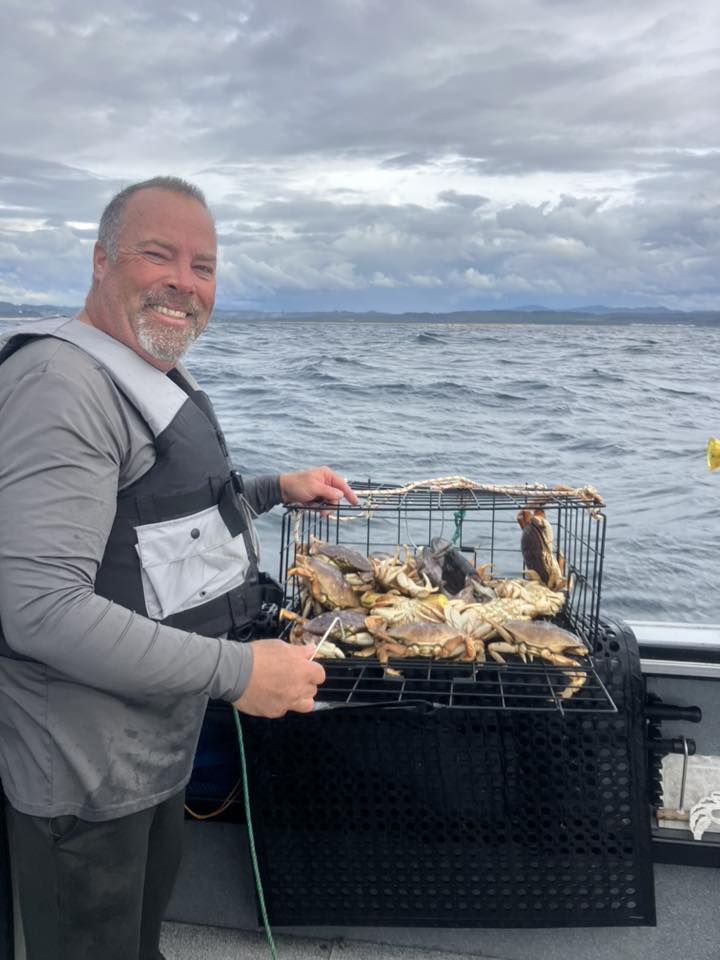
Oregon anglers look forward to the Dungeness crab season every year. It normally starts around December 1 and lasts until mid-August. The timing isn’t arbitrary; it’s based on the hardness of the shells and the amount of meat within, so only the best, most mature males are caught. That’s one reason why the crab fishery in Oregon is regarded for being sustainable and having good quality all the time.
Before the official opener, crews would often test crabs to determine if their shells are hard and “snap” when they are ready. When the season opens, both charter captains and commercial fishers work quickly. The first few weeks can bring in record catches when the crabs are thick and plump.
Oregon’s rules provide that only males over 6¼ inches can be maintained. This keeps ladies and young people safe for the following generation. It’s a delicate balance between giving people chances and taking care of the fishing, which keeps it going strong year after year.
3. The Crab’s Hidden World: Life Under the Waves
You might not know how complicated the biology of each crab is if you go crabbing off Newport for a day. Dungeness crabs reside on sandy bottoms, where they dig into the mud and eat clams, worms, and small fish. They do well in Newport’s waters, where the Yaquina River meets the Pacific Ocean. This is the perfect blend of fresh water and upwelling currents. In order to grow, these crabs have to shed their shells.
This is called molting. They grow into a bigger suit of armor with each molt, and then they harden again. A male can take up to four years to achieve legal size, which is why Oregon’s laws for managing them are so critical.
During mating season, males protect soft-shelled females after they shed their shells. This is an unusual yet sweet sight for divers who see it on the seafloor. Knowing that the crab in your pot may have spent years wandering the sandy beaches adds to the respect you have for it.
4. How to Catch: Pots, Bait, and Being Patient
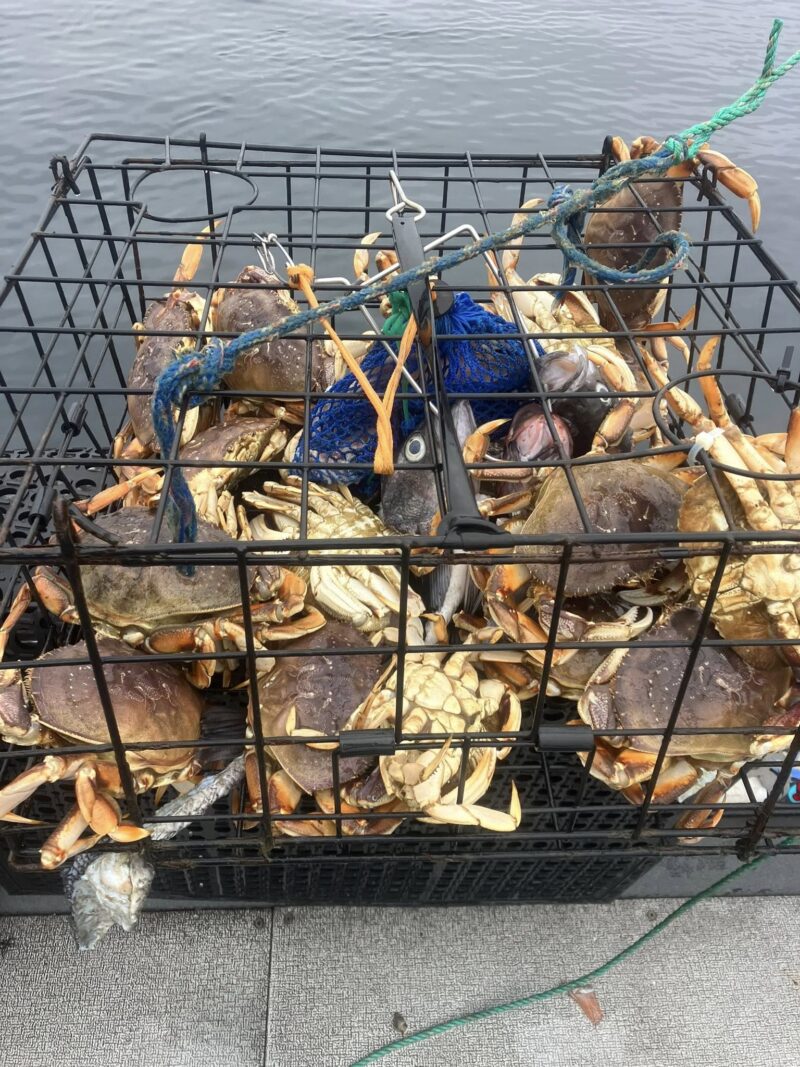
If you’ve ever been on a crabbing excursion with one of the Newport, Oregon, fishing charters, you know how to do it. The sailors start early by putting spherical metal traps, or pots, on the aft deck. They are all baited with fish heads, squid, or chicken, or anything else that smells strong enough to bring crabs up from the bottom. The waiting game starts as soon as the pots hit the water.
Depending on the tides and the weather, a charter excursion normally sets gear in water that is 60 to 300 feet deep. As the pots come back up, the sound of winches clanking and buoys thudding against the hull fills the air. The best part is when a full trap comes up, dripping seawater and full of brown and purple crabs.
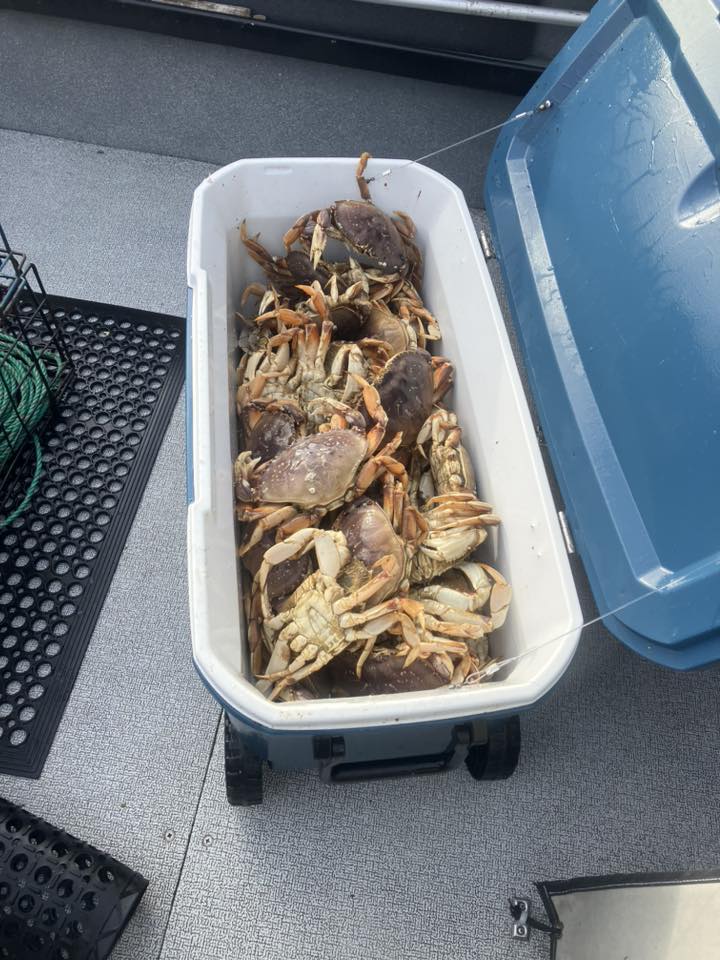
The crew uses a gauge to measure each crab, and if it is too small or has a fragile shell, they throw it back. It’s hands-on, filthy, and very rewarding—a true Oregon Coast excursion that ends with a cooler full of fresh seafood.
5. A Town Built on Crab Culture
Crabbing is more than simply a business in Newport; it’s part of the town’s history. The city held an annual Crab Festival in the late 1930s that drew thousands of people with parades, crab boils, and motorcycle feats.
The Newport Seafood and Wine Festival, which happens every February, is a way for people to show their pride in their hometown and enjoy the seaside taste.
There are murals, crab-themed art, and even antique pots stacked outside the canneries along the Bayfront. It’s like a living museum of nautical history. Some charter captains here come from families that have been crabbing for decades.
Their boats are like family treasures. The Discovery Channel’s “Deadliest Catch: Dungeon Cove” showed viewers the hard work and risk these workers confront every winter in Newport. But for people who live there, it’s just life by the tide: part hard work, part sheer passion.
The Best Newport Experience
Sharing a crab excursion is more than just catching meals for guests; it’s also sharing a tradition. The air from the water stings your cheeks, gulls fly around above you, and the deck smells like salt, diesel, and bait.
You’ll understand why this fishery is so important to the community when you pull that pot over the side and see your first legal-sized Dungeness sparkling in the light. If you’re going to the coast, make sure to go Dungeness crab fishing in Newport, Oregon. Book a trip with Newport, Oregon Fishing Charter, catch your own fish, and taste the Oregon Coast one crab at a time.