
How to Catch Dungeness Crab in Newport
The officially recognized capital of the world is Newport, Oregon, as the capital of Dungeness. It is the center of the most valuable coastal fishery in Oregon, and thousands of leisure fishermen bring their fishing gear to Yaquina Bay annually. During the 2023 2024 season 24.7 million pounds of crab were landed in boats along the Oregon coast, with Newport picking up 37 percent of this total, a little more than nine million pounds. More than a trap and patience is necessary to win in Newport. You need to study biology of crabs, geography of the area and state laws. This handbook will provide you with the technical expertise to learn crabbing in Newport.
Essential Newport Crabbing Regulations and Licensing Information
Crab population in the Oregon Department of Fish and Wildlife is controlled to ensure that the population remains healthy in the future. A legitimate shellfish license is required by all persons 12 years and above who drop a trap. In 2026, the resident yearly license is 13 US dollars and the nonresident yearly license is 37 US dollars. When you want to hunt out of the bay you must have an Ocean Endorsement at a cost of $9. These are available at local retailers that have been authorized to sell them and also via the MyODFW app. Daily limits are important since they assist you in evading fines and preserve the resource. Twelve Dungeness crabs are the maximum number of crabs you are permitted to keep in one day. The legislation proscribes the retention of any females.
The most significant rule is the measurement. Take a straight line of measurement over the back. Dungeness crab size varies based on the shell points as the minimum size of a crab is 5.75 inches. A plastic crab gauge will be the most accurate size. Safety check by Oregon Department of Agriculture includes domoic acid and other toxins that may accumulate during poisonous algal blooms. Make a call to Shellfish Safety Hotline 1 800 448 2474 beforehand. This assures the region of safety and availability to harvest.
Strategic Locations and Tide Timing for Yaquina Bay Success
Yaquina Bay is a good location of all year round shore and boat crabbing. There are three free public docks within the city. The South Beach Marina pier is family and beginner-friendly. It is near the bay entrance in which water is saltier. The piers of the Abbey Street and Bay Street are located on the historic waterfront. The other tourist attraction is the Rogue Brewery pier. Get yourself at the end of these piers to get deeper water and not the congested shore-line which carries back the captured crabs.
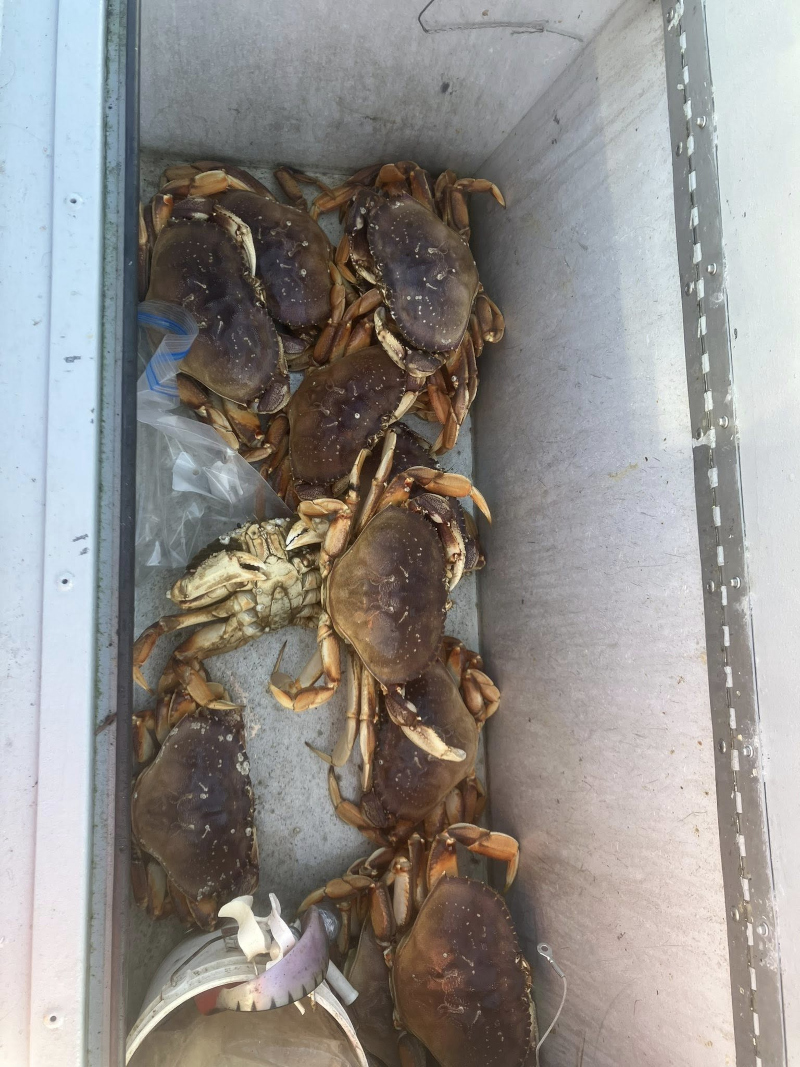
Tides dictate crab feeding. Mostly crabs are fed at low or high tide, at an hour, or so, around the time of high or low tide. The crabs dig themselves into the sand during heavy currents in order to remain stationary. This will lower their probability of being trapped. Heavy rain decreases the salinity through the river water. Dungeness crabs like salty water and tend to relocate to the ocean in high seas. Timing plan trips should be done during dry weather and high tide periods.
Expert Bait Selection and Crab Gear Recommendations
The selection of the correct equipment as well as bait will define your harvest. The normal type of soaker used in dock crabbing in Newport is the Danielson traps. They possess a big cage which drags the crabs into one-way holes which retain the crabs. The crab rings are faster but require a consistent and rapid pull. When one lifts a crooked ring, crabs can fall out. Round Crab Max is a new spring-loaded product, opening on the bottom and clamping to the surface when pulled. To keep the pots stationary, experts recommend the addition of thirty pounds of lead or steel weight so that the powerful Yaquina currents will not overturn the pots. Sinking lines so you do not get caught in the propellers of the boat within the docks.
Bait selection resolves attraction and repulsion. The carcass of fish leaves a powerful scent trail followed by the crabs over a long distance but seals and sea lions are also attracted by it-the pinniped tax-the locals call it. Seals can take away traps, or jam them into deep channels. Be the principal bait a piece of chicken legs; seals do not like poultry, but eat much of the dark part. A mixed policy is good with seasoned fishermen: put stinky fish in a net in order to get crabs to come away, and then fasten a substantial chicken leg in a trap, and keep the crabs in it till you get it out.
Understanding Ocean Acidification and Invasive Green Crab Impacts
Dungeness crabs are threatened with environmental hazards in the long run. The acidification of the oceans decreases the pH of the Pacific waters which dissolve the shells of the crab larvae before they develop. The young crustaceans also have their sensory organs damaged which play an important role in predator detection and navigation.
Populations of adults are healthy today, although the scientists pay much attention to future recruitment. The invasive European Green Crab is also to be watched. These predator crabs compete with locals in food and habitat. Answer them by their five spines apiece. The state sets a liberal quota of 35 green crabs per day to promote the elimination of the green crabs in the bay.
Safe Cleaning and Cooking Techniques for Your Fresh Catch
You can preserve your catch until dinner, using proper handling. Do not keep live crabs in a bucket of standing seawater long, they consume oxygen rapidly, and are killed, spoiling the contents. Rather put them in an ice-cooler. Separate the crabs and the ice by placing a wet cloth in between them to avoid being frozen. When you are ready to cook, boil them in salty water of approximately fifteen minutes. There are health advices that demand that you have the crabs eviscerated prior to cooking at some times. This eliminates guts and gills which may drain toxins into the meat. The majority of the lovers love the tasty meat with the melted butter and plain side dishes. Never serve your crabs without cooking them first.
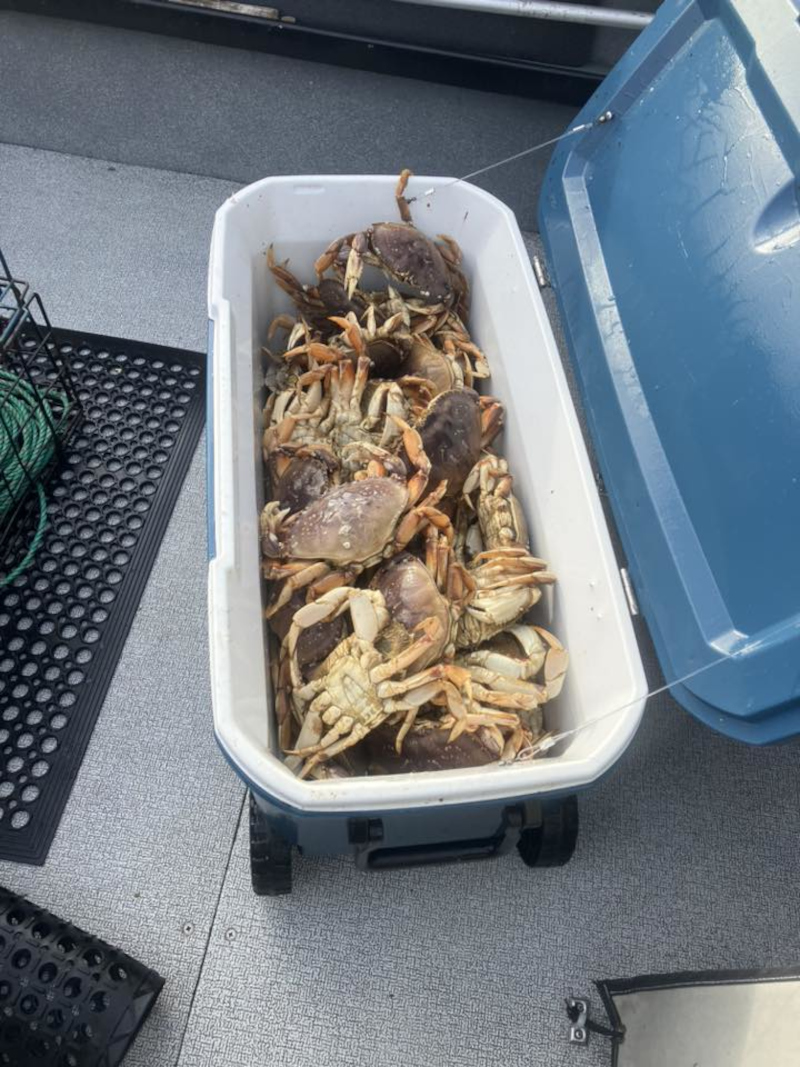
Newport provides a global experience to the people who value the resource and environment. Use the above strategies and rules to learn how to get the tides and select the appropriate bait to fill a cooler of the best seafood on the Oregon coast. If you want to explore deeper waters and the most productive offshore grounds, consider booking a professional trip with Newport Oregon Fishing Charters. It comes with all the equipment and local expertise these professionals need to have a successful day on the pacific.