
Why Newport is the Dungeness Crab Capital of the World
Newport, Oregon is a small fishing town with about 10,800 people and sits on the central coast. It punches way above its weight. In 2007, the city registered “Dungeness Crab Capital of the World” as an official trademark, and the landing data back up the branding. Newport and nearby Depoe Bay always command the largest share of Oregon’s commercial Dungeness crab harvest. The Port of Newport has one of the most productive fishing fleets along the entire West Coast. For anglers, this is ground zero for experiencing Dungeness crab culture, from pulling your own pots off of the public pier to purchasing fresh crab straight off of a returning boat.
But the title is more than just a marketing gimmick. It represents decades of heritage, real economic muscle, a fishery dealing with serious modern challenges. Here is why Newport monopolizes this crown, and what every angler should know about the fishery behind it.
How Newport Became the Leading Dungeness Crab Port in Oregon
Newport’s dominance boils down to three elements: location, fleet size and infrastructure. The city is located along one of the most productive crabbing corridors on the Pacific coast where cold, nutrient-rich waters force populations of Dungeness close to the shore. The Port of Newport has one of the largest commercial fishing marinas on the West Coast with extensive dockage, processing facilities and support services.
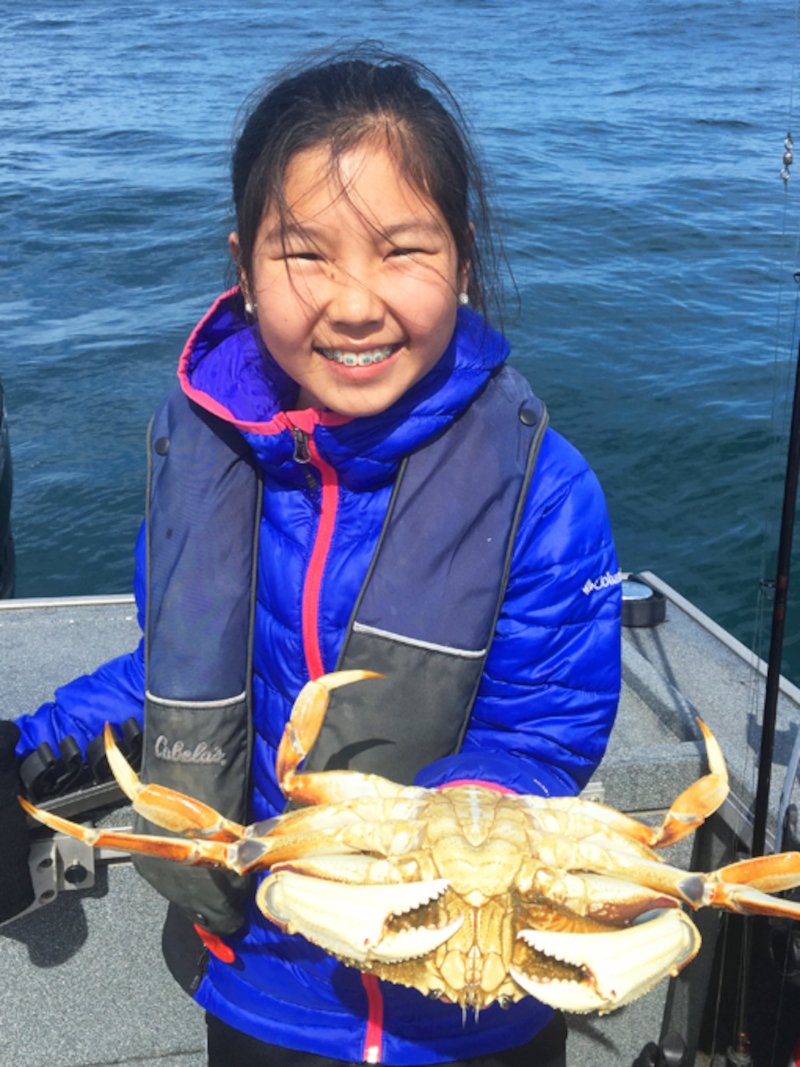
The story is told well by the numbers. During the 2023-24 season, Newport and Depoe Bay landed 37% of the Dungeness crab caught in Oregon. Astoria came in second at 30%. Charleston came a distant third at 14%. That sort of lead is not accidental. Newport has more crab boats, more crab processing infrastructure, and more fish tickets than any other port on the Oregon coast.
The Economic Engine Powering the Crab Fleet
Commercial fishing fuel is about 15% of the economy in Newport and surrounding Lincoln County. Within that, Dungeness crab income accounts for over 40% of the value of all the seafood caught locally. It is by far the most significant single species to the region.
The 2024-25 season made that economic importance impossible to ignore. Oregon’s fleet had a record $97.1 million ex-vessel value (amount paid directly to fishermen). That broke the previous inflation-unadjusted record of $91.5 million from 2021-22. The catch volume actually dropped below average at 15.7 million pounds versus a ten-year average of 18 million. But surging prices per pound more than made up.
By mid-February 2025, fishermen around Newport had caught less than 14 million pounds and already made more than $83 million. The same year last year, 17.5 million pounds had raised only $63 million. Consumer prices captured the squeeze. Whole cooked crab began the season at approximately $8.99 a pound in December and rose to $17.95 per pound at some markets in Newport by February.
Why Dungeness Crab Prices Continue To Rise
Prices are climbing as a result of tightening across the entire West Coast. The 2025 season is looking to be one of the weakest in recent memory. Oregon’s estimated total of 16 million pounds is 26% below the five year average. California landed about 8.5 million pounds, also 32% below average. Washington came in 28% below. Industry analysts expect total national Dungeness landings to reach “possibly a record low” of around 55 million pounds.
For anglers, that means fresh Dungeness crab will still cost a lot. It also means that the fish you catch recreationally in Yaquina Bay has some real value on your dinner table.
Season Delays, Domoic Acid and the Factor of Climate
One reason for Newport’s title is that Oregon has managed to keep its season more stable than its neighbors. California has postponed its commercial Dungeness opener every single year since the 2017-18 season. Oregon has experienced delays as well, but usually shorter ones.
The two largest offenders are the risk of domoic acid and entanglement in whales. Domoic acid is a neurotoxin produced by some algae and it concentrates in the crab tissue. When levels reach levels above safety thresholds, regulators delay the season to protect consumers. Harmful algal blooms that produce domoic acid are predicted to be increasing in frequency due to ocean temperature increases. Oregon State University marine biologist Francis Chan also recently received $4.2 million to investigate how ocean acidification, heatwaves and oxygen-depriving conditions compound with Dungeness populations.
The other pressure point is whale entanglement. Crab pot lines entangle migrating humpback whales. Conservation groups, such as Oceana, have been pushing hard for trap reductions, pop-up gear technology and electronic monitoring of vessels. Zones or trap allowances are now routinely closed by California to protect whales. Oregon has also been subject to similar scrutiny, although so far its regulations are not as stringent.
A Sustainable Fishery With a Complicated Certification Story
Oregon’s Dungeness fishery is a limited-entry fishery. There are only 450 crab permits in the entire state. A pot limit implemented in 2006 led to a 50,000 reduction in total pots in the water with a maximum limit of 500 for each vessel. The result is a fishery that has not succumbed to overharvesting as less regulated operations do.
The fishery was certified by the Marine Stewardship Council (MSC) in 2010, one of very few crab fisheries in the world to do so. But the Oregon Dungeness Crab Commission voluntarily allowed the certification to expire in 2015 due to a lack of reward in the market. Most crab was traveling through live export channels to China where MSC labels did not command a premium.
That decision is being revoked now. The Commission is actively pursuing the process of re-certification because it is being increasingly demanded by European and institutional buyers that sustainability verification should be done by a third party. For anglers who are concerned about the long-term health of the fishery, this is something to watch.
What Anglers Need to Know Before Fishing in Newport
Recreational crabbing is available in Newport and does not require a boat. The Port of Newport public fishing pier and the piers along Bay Street and Abbey Street on the Historic Bayfront are popular places. You can hire out crab pots or rings locally for reasonable prices.
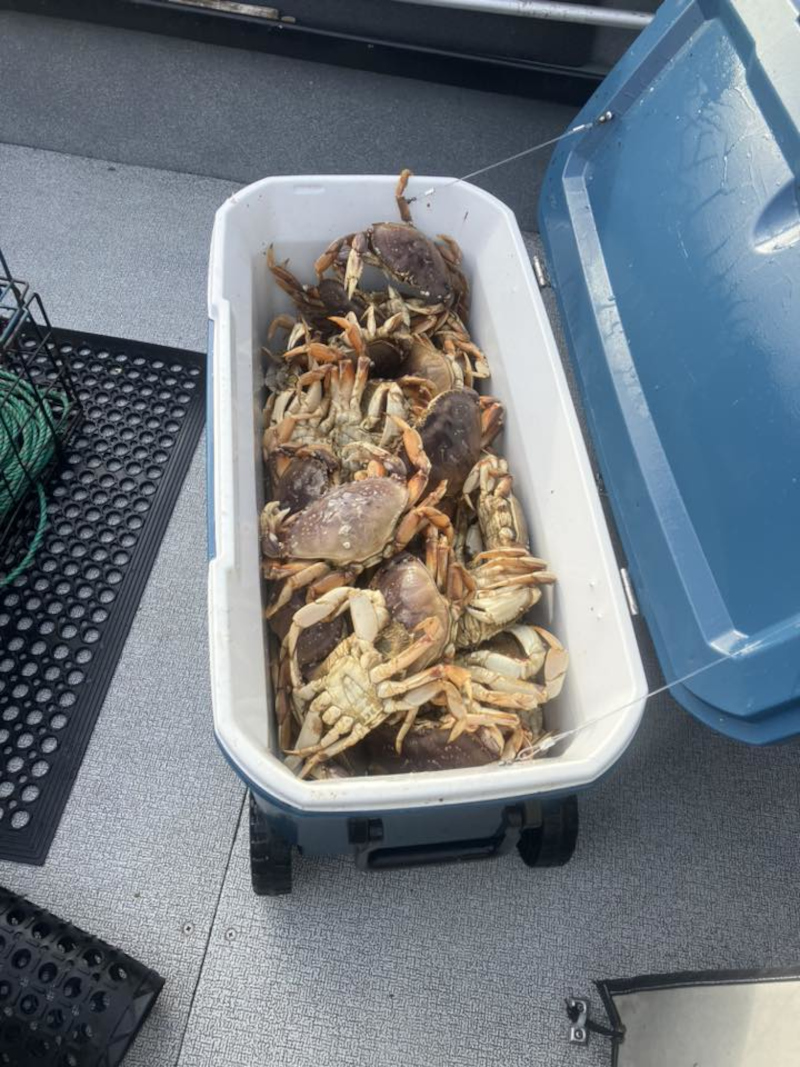
Oregon sport crabbing regulations are 12 male Dungeness per day, minimum size is 53/4 inches shell width across back (not including spines). You may use as many as three pots or rings. Fresh bait such as chicken, turkey legs, or fish carcasses are good. The commercial season is about December to mid-August but recreational bay crabbing can be productive outside that time frame depending on conditions.
One practical tip: heavy rain flushes freshwater into the bay and crowds crabs to the saltier ocean water. Plan your crabbing trips to coincide with dry spells or incoming tides for the best results.
Plan Your Trip to Dungeness Crab Capital
Newport is rare in that it provides an opportunity for anglers to experience a world-class fishery, from the public pier, a rented kayak in Yaquina Bay, or a guided charter offshore. The combination of easy crabbing, fresh off the boat seafood markets, and an unwashed, working waterfront make this a destination worth prioritizing.
If you are planning on a crabbing trip to Newport, Book your charter or accommodation early, especially around season openers in December and January when the bayfront is jumping with activity. Contact local outfitters like Newport Oregon Fishing Charters for guided crabbing experiences, or visit the Dungeness Crab Trail for a self-guided tour of where to catch, buy, and eat crab across the city.
The crabs are not going to pull themselves out of the bay. Get out there.